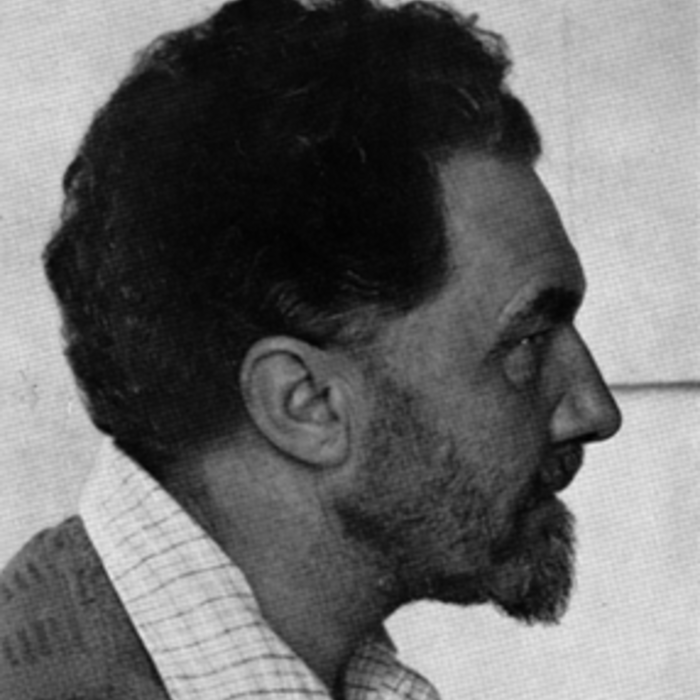
T. S. Eliot
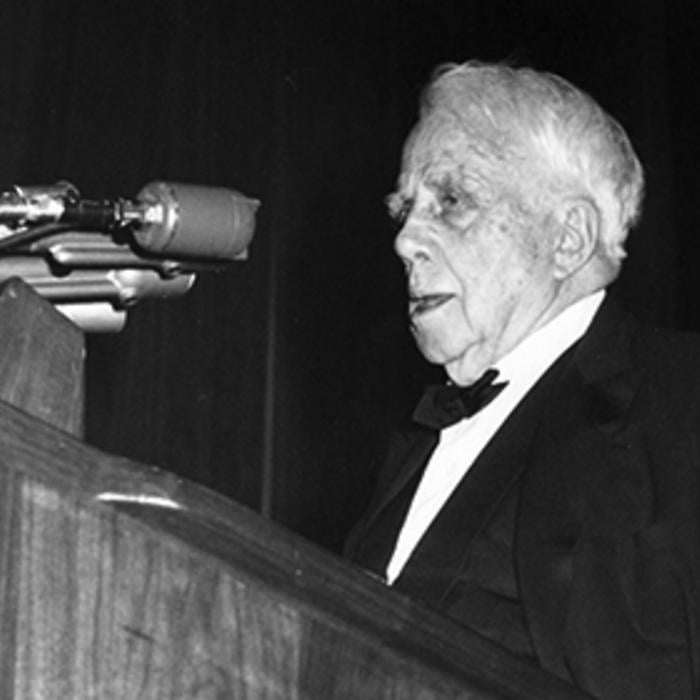
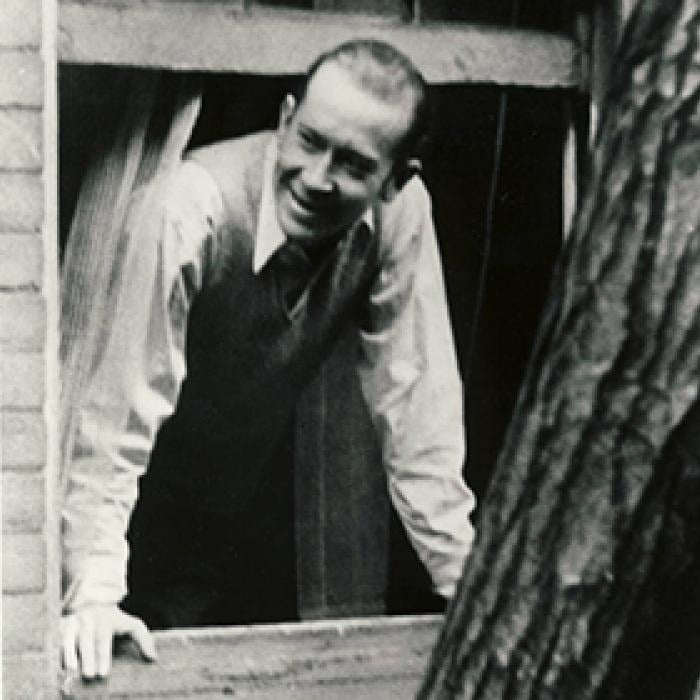
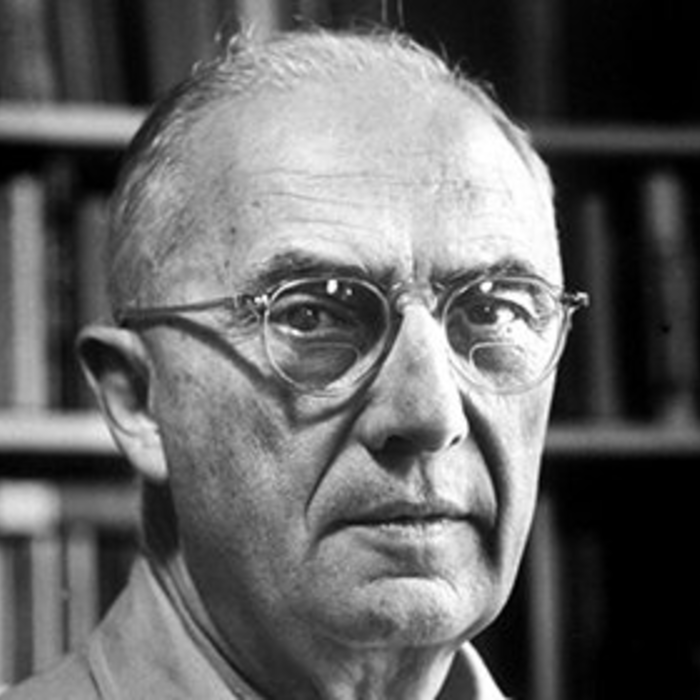
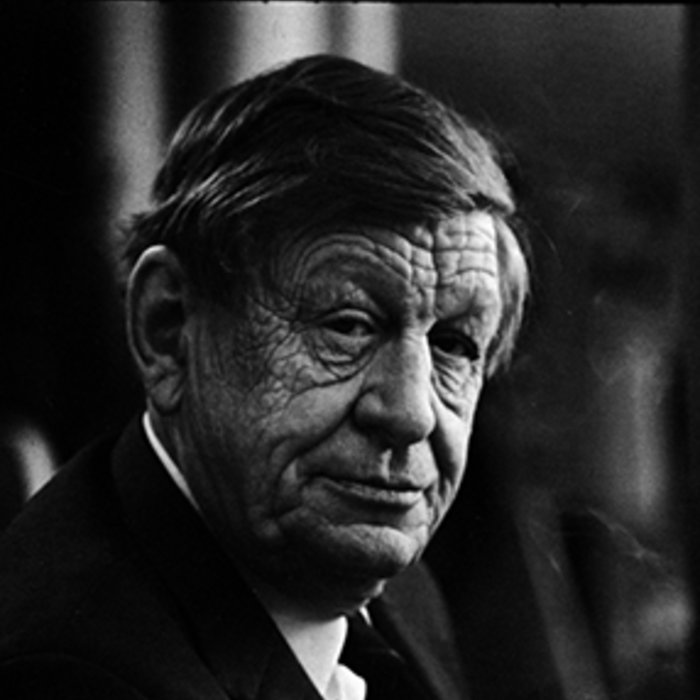
Thomas Stearns Eliot was born in St. Louis on September 26, 1888, and lived there during the first eighteen years of his life. He attended Harvard University, where he earned a bachelor’s degree in three years and contributed several poems to the Harvard Advocate. From 1910–11, he studied at the Sorbonne, then returned to Harvard to pursue a doctorate in philosophy. After graduating, he moved back to Europe and settled in England in 1914. The following year, he married Vivienne Haigh-Wood and began working in London, first as a teacher, and later for Lloyd’s Bank.
It was in London that Eliot came under the influence of his contemporary Ezra Pound, who recognized his poetic genius at once, and assisted in the publication of his work in a number of magazines, most notably “The Love Song of J. Alfred Prufrock,” which appeared in Poetry magazine in 1915. Eliot’s first book of poems, Prufrock and Other Observations, was published in London in 1917 by The Egoist, and immediately established him as a leading poet of the avant-garde. With the publication of The Waste Land (Boni & Liveright) in 1922, now considered by many to be the single most influential poetic work of the twentieth century, Eliot’s reputation began to grow to nearly mythic proportions. By 1930, and for the next thirty years, he was the most dominant figure in poetry and literary criticism in the English-speaking world.
As a poet, Eliot transmuted his affinity for the English metaphysical poets of the seventeenth century (notably, John Donne) and the nineteenth-century French Symbolist poets (including Charles Baudelaire and Jules Laforgue) into radical innovations in poetic technique and subject matter. His poems, in many respects, articulated the disillusionment of a younger post-World War I generation with the values and conventions—both literary and social—of the Victorian era. As a critic, he had an enormous impact on contemporary literary taste, propounding views that, after his conversion to orthodox Christianity in the late 1930s, were increasingly based in social and religious conservatism. His major later poetry publications include Four Quartets (Harcourt, Brace and Company, 1943) and Ash Wednesday (Faber & Faber, 1930). His books of literary and social criticism include Notes Towards the Definition of Culture (Harcourt, Brace and Company, 1949); After Strange Gods (Harcourt, Brace and Company, 1934); The Use of Poetry and the Use of Criticism (President and Fellows of Harvard College, 1933); and The Sacred Wood (Methuen & Co., Ltd., 1920). Eliot was also an important playwright, whose verse dramas include the comedy The Cocktail Party (Faber & Faber, 1950); The Family Reunion (Faber & Faber, 1939), a drama written partly in blank verse and influenced by Greek tragedy; and Murder in the Cathedral (Harcourt, Brace & Company, 1935).
Eliot became a British citizen in 1927. In 1948, he received the Nobel Prize for Literature. Long associated with the publishing house of Faber & Faber, he published many younger poets, and eventually became director of the firm.
T. S. Eliot died in London on January 4, 1965.