Thomas Hardy
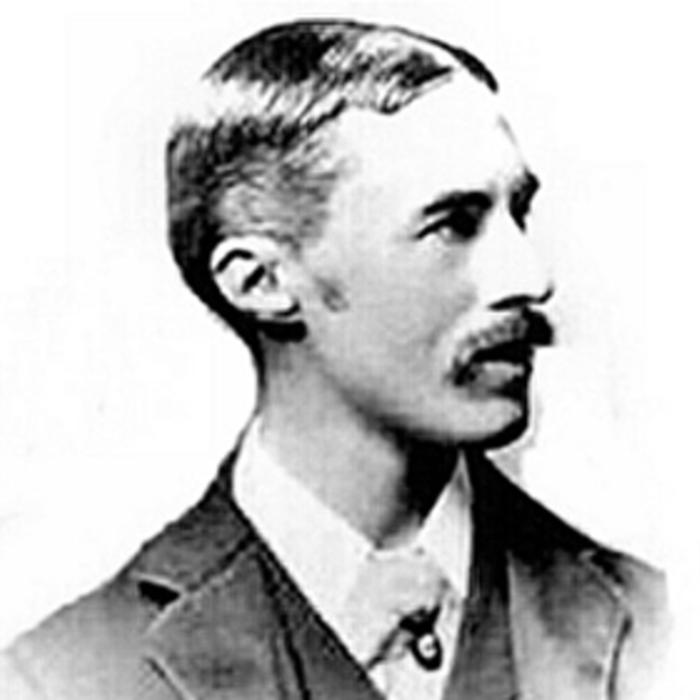
Thomas Hardy, the son of a stonemason, was born in Dorset, England, on June 2, 1840. He trained as an architect and worked in London and Dorset for ten years.
Hardy began his writing career as a novelist, publishing Desperate Remedies (Tinsley Brothers) in 1871, and was soon successful enough to leave the field of architecture for writing. His novels Tess of the D’Urbervilles (Osgood McIlvaine & Co., 1891) and Jude the Obscure (Osgood McIlvaine & Co., 1895), which are considered literary classics today, received negative reviews upon publication. He left fiction writing for poetry and published eight collections, including Poems of the Past and the Present (Harper & Bros., 1902) and Satires of Circumstance (Macmillan, 1914).
Hardy’s poetry explores a fatalist outlook against the dark, rugged landscape of his native Dorset. He rejected the Victorian belief in a benevolent God, and much of his poetry reads as a sardonic lament on the bleakness of the human condition. A traditionalist in technique, he nevertheless forged a highly original style, combining rough-hewn rhythms and colloquial diction with a variety of meters and stanzaic forms. A significant influence on later poets (including Robert Frost, Wystan Hugh Auden, Dylan Thomas, and Philip Larkin), his influence has increased over the course of the twentieth century, offering a more down-to-earth, less rhetorical alternative to the more mystical and aristocratic precedent of William Butler Yeats. Hardy died on January 11, 1928.