Academy of American Poets
View Cart | Log In 
Subscribe | More Info 
Find a Poet or Poem
Advanced Search >
FURTHER READING
Related Prose
Groundbreaking Book: Ariel by Sylvia Plath (1965)
A Brief Guide to Confessional Poetry
Sylvia: The Movie
Poppies in October: an Interview with Christine Jeffs
Poetry Landmark: McLean Hospital in Belmont, MA
Going for Motherlode: on Adrienne Rich’s Of Woman Born
by Miranda Field
Groundbreaking Book: Life Studies by Robert Lowell (1959)
Groundbreaking Book: Live or Die by Anne Sexton (1966)
Life Studies: American Poetry from T. S. Eliot to Allen Ginsberg
Poetic Technique: Dramatic Monologue
Poetry Landmark: McLean Hospital in Belmont, MA
"All My Poems Are Love Poems": When Two Poets Fall In Love
by Craig Morgan Teicher
A Brief Guide to Confessional Poetry
Other Confessional Poets
Anne Sexton
John Berryman
Robert Lowell
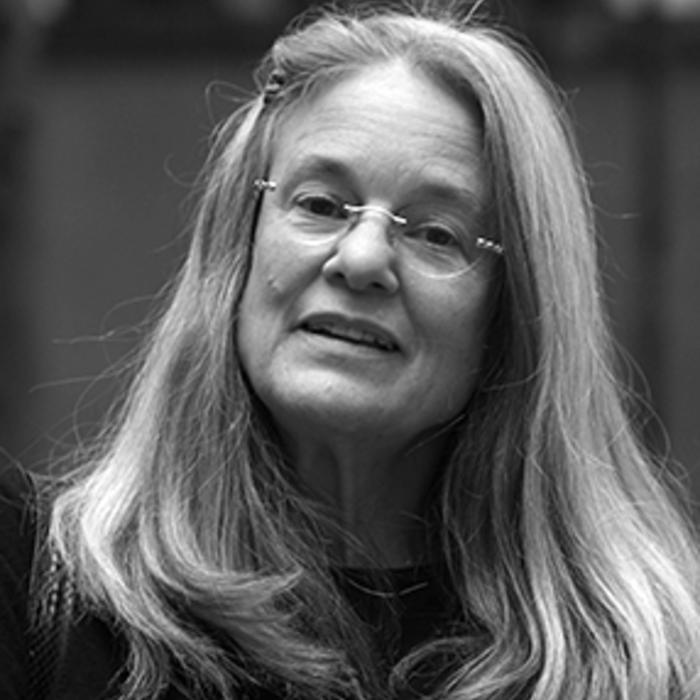
Sharon Olds
W. D. Snodgrass
Related Poets
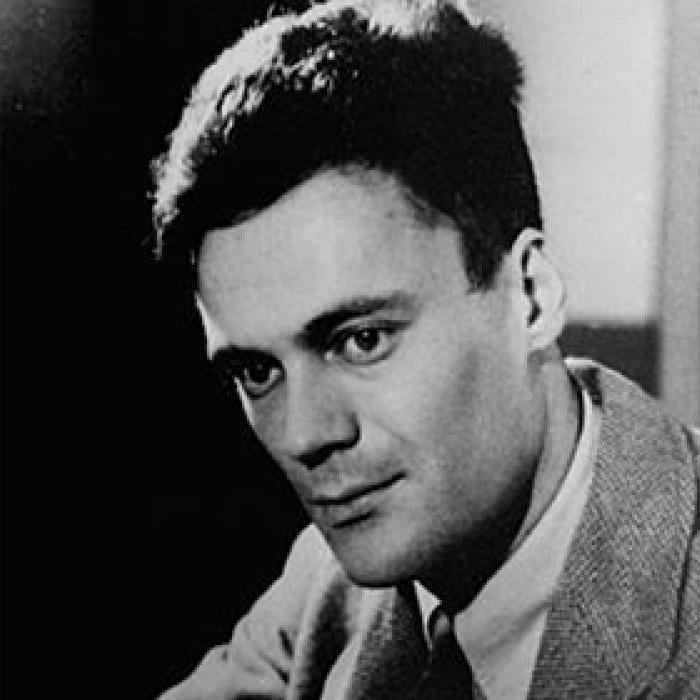
Ted Hughes
Lesson Plans
Women in Poetry
External Links
Plath's Journals: Charting Terrain on an Internal Landscape
A review by Michiko Kakutani, The New York Times, October 31, 2000.
Sylvia Plath (1932-1963)
A collection of critical, historical, and biographical information at the Modern American Poetry site.
Sylvia Plath discussion forum
Video: "Daddy"
A dynamic rendition of the poem (Quicktime, 96 seconds) from Voices & Visions, a video series in the Annenberg/CPB Multimedia Collection.
Adopt a Poet | Add to Notebook | E-mail to Friend | Print
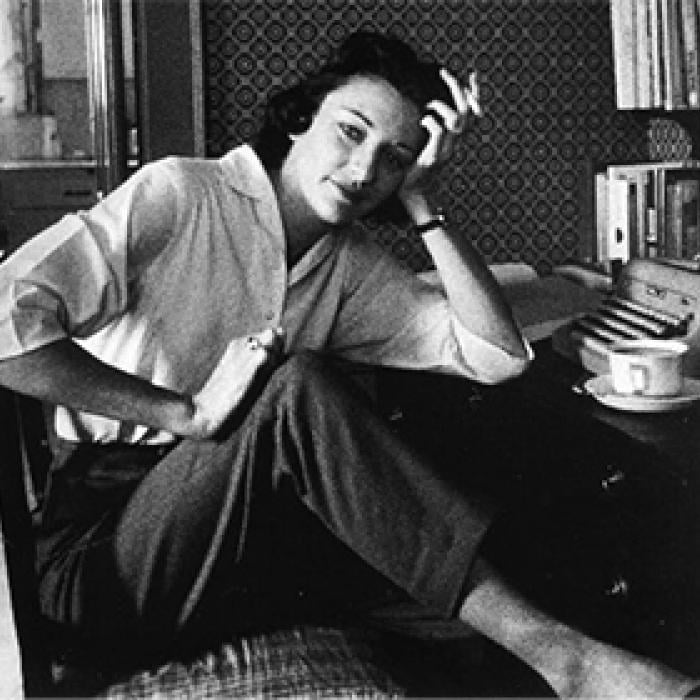
Sylvia Plath
photo: Rollie McKenna
Sylvia Plath

Sylvia Plath was born in Boston, Massachusetts, on October 27, 1932. Her mother, Aurelia Schober, was a master’s student at Boston University when she met Plath’s father, Otto Plath, who was her professor. They were married in January of 1932. Otto taught both German and biology, with a focus on apiology, the study of bees.

In 1940, when Sylvia was eight years old, her father died as a result of complications from diabetes. He had been a strict father, and both his authoritarian attitudes and his death drastically defined her relationships and her poems—most notably in her elegaic and infamous poem, "Daddy."

Even in her youth, Plath was ambitiously driven to succeed. She kept a journal from the age of 11 and published her poems in regional magazines and newspapers. Her first national publication was in the Christian Science Monitor in 1950, just after graduating from high school.

In 1950, Plath matriculated at Smith College. She was an exceptional student, and despite a deep depression she went through in 1953 and a subsequent suicide attempt, she managed to graduate summa cum laude in 1955.

After graduation, Plath moved to Cambridge, England, on a Fulbright Scholarship. In early 1956, she attended a party and met the English poet, Ted Hughes. Shortly thereafter, Plath and Hughes were married, on June 16, 1956.

Plath returned to Massachusetts in 1957, and began studying with Robert Lowell. Her first collection of poems, Colossus, was published in 1960 in England, and two years later in the United States. She returned to England where she gave birth to the couple's two children, Freida and Nicholas Hughes, in 1960 and 1962, respectively.

In 1962, Ted Hughes left Plath for Assia Gutmann Wevill. That winter, in a deep depression, Plath wrote most of the poems that would comprise her most famous book, Ariel.

In 1963, Plath published a semi-autobiographical novel, The Bell Jar, under the pseudonym Victoria Lucas. Then, on February 11, 1963, during one of the worst English winters on record, Plath wrote a note to her downstairs neighbor instructing him to call the doctor, then she committed suicide using her gas oven.

Plath’s poetry is often associated with the Confessional movement, and compared to poets such as her teacher, Robert Lowell, and fellow student Anne Sexton. Often, her work is singled out for the intense coupling of its violent or disturbed imagery and its playful use of alliteration and rhyme.

Although only Colossus was published while she was alive, Plath was a prolific poet, and in addition to Ariel, Hughes published three other volumes of her work posthumously, including The Collected Poems, which was the recipient of the 1982 Pulitzer Prize. She was the first poet to win a Pulitzer Prize after death.


Poetry

The Colossus (1960)
Ariel (1965)
Crossing the Water (1971)
Winter Trees (1972)
The Collected Poems (1981)

Prose

The Bell Jar (1963)
Letters Home (1975, to and edited by her mother)
Johnny Panic and the Bible of Dreams (1977)
The Journals of Sylvia Plath (1982)
The Magic Mirror (1989, Plath's Smith College senior thesis)
The Unabridged Journals of Sylvia Plath (2000, edited by Karen V. Kukil)

Books for Young Readers

The Bed Book (1976)
The It-Doesn't-Matter-Suit (1996)
Collected Children's Stories (UK, 2001)
Mrs. Cherry's Kitchen (2001)

Poems by
Sylvia Plath

Daddy
Lady Lazarus
Morning Song

The Poets.org Store

The Collected Poems of Sylvia Plath by Sylvia Plath

The Unabridged Journals of Sylvia Plath by Sylvia Plath


Support independent booksellers
Make your purchase online through IndieBound or find a local bookstore on the National Poetry Map.


Share Digg StumbleUpon Facebook E-mail to Friend
Larger TypeLarger Type | Home | Help | Contact Us | Privacy Policy Copyright © 1997 - 2010 by Academy of American Poets.